
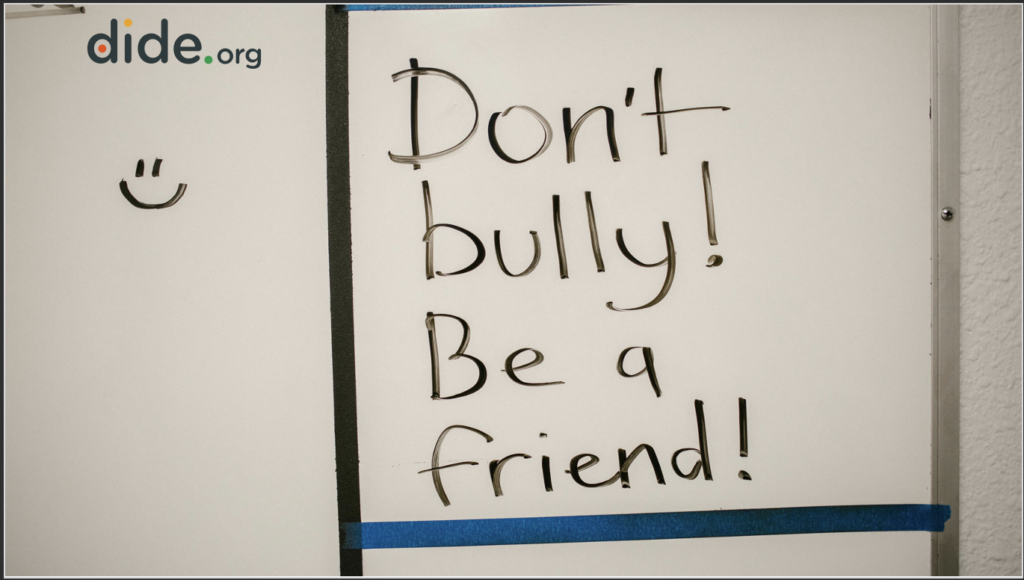
Bullying, also known as bullying, is a complex phenomenon that affects millions of students worldwide. It is defined as a set of physical, psychological, or verbal abuse behaviors that occur repeatedly and over a prolonged period. This type of abusive behavior implies an imbalance of power between the bully and the victim, and its objective is to intentionally cause harm. The manifestations of bullying can be diverse: intimidation, social exclusion, spreading rumors, threats, or direct physical aggressions. Beyond its form, it is important to understand the profound impact it has on the emotional and psychological well-being of those who suffer it, generating effects that can last throughout their lives.
In Spain, as in many other countries, this reality affects a significant number of students. According to data from a study by the Complutense University of Madrid conducted in 2020, almost two students per class suffer bullying in Spain. The figures may vary depending on the sources, but all agree that the problem is more prevalent than one might initially believe. Internationally, UNESCO estimates that one in three students has suffered bullying at some point in their school life.
Identifying bullying: warning signs
Detecting bullying in time is essential to intervene effectively. Both families and educators should be attentive to the following signs:
- Changes in behavior: Loss of interest in activities they previously enjoyed, abrupt mood swings, irritability, sadness, anxiety, or fear.
- Physical problems: Frequent headaches, stomach aches, difficulty sleeping, loss or increase in appetite.
- Social isolation: Avoiding going to school, extracurricular activities, or social gatherings.
- Academic problems: Difficulty concentrating, poor academic performance, lack of motivation.
- Possible physical injuries: Bruises, cuts, damaged personal objects.
Managing bullying: a comprehensive approach
When a situation of bullying is suspected, it is essential to act quickly and decisively and, above all, in a coordinated manner between families, educators, and educational centers.
For families
- Listen actively: Pay attention to what your child tells you, validate their feelings, and believe them.
- Stay calm: Avoid reacting impulsively and seek advice.
- Contact the educational center: Inform the tutor, counselor, or principal of the center about the situation.
- Strengthen your child’s self-esteem: Help them develop social skills and believe in themselves.
For educators
- Establish a climate of trust: Create a safe and respectful school environment where students feel comfortable talking about their problems.
- Action protocols: Design clear and concise protocols to address situations of bullying.
- Collaboration with families: Maintain open and constant communication with the families of the students.
For educational centers
- Prevention programs: Implement bullying prevention programs.
- Provide adequate training to your teachers.
- Conflict mediation: Promote the peaceful resolution of conflicts through mediation programs.
- Monitoring: Monitor bullying situations to evaluate the effectiveness of the measures adopted.
A shared responsibility
Bullying is a problem that goes beyond the classroom. It affects the entire educational community and, therefore, requires a coordinated response from all actors involved. Collaboration between families, educators, and educational centers is essential to create safer, more inclusive, and healthier school environments, where all students can develop to their full potential.
We encourage you to listen to our Doctor of Psychology, Nuria Ros, on La Tarde con Marina to expand the information on this topic. At Dide.org we are experts in detecting educational, emotional, and behavioral potential and difficulties early in order to intervene. You can access the diagnostic tool at this link.
