
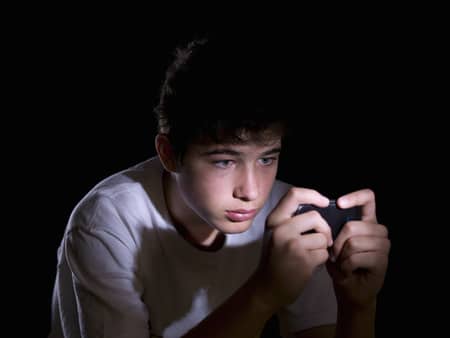
In this article we will talk about school harassment, so sadly recurrent in ALL schools and some guidelines that help these difficulties improve or disappear from the behavioral repertoire of the minor.
Bullying can occur in boys and girls of different ages from the first years of primary school. This indicator reflects the harassment and psychological, emotional or physical abuse suffered by a minor at the hands of their classmates or school environment. When a high score is obtained in the díde study, (test based on the observation of the people around the child), it usually responds to a situation of school harassment in which the victim is ashamed and blamed, so they do not usually seek help or talk to the family about what happens.
Some useful guidelines for family members to help their children if they are suffering from school harassment or bullying:
- It is very important that you observe to detect warning signs: if he/she has injuries, abrupt changes in personality, broken clothes or belongings, does not want to go out with friends, shows physical pain and little desire to go to school…
- Listen without pressuring or judging.
- Talk to him/her, it is important that you are interested and ask him/her about his/her relationships and friendships, observe his/her reactions.
- Sign the child up for a team sport in which he/she can feel supported.
- Request the support of friends and other family members.
- Seek professional help.
21% of parents are concerned about whether their children are victims of cyberbullying
according to a survey conducted on the blog Hijosdigitales.es of the company S2 Grupo.
Another of the indicators that influence the well-being of the child and that always usually appears next to bullying are situations of cyber-harassment or cyberbullying. This indicator reflects the harassment and psychological or emotional abuse suffered by a minor at the hands of classmates, friends or acquaintances through social networks.
In the event that a young person is ‘cyberattacked’, it is recommended not to respond to provocations in order not to increase tension and to save the evidence whenever possible in case it is necessary to report it to the Civil Guard; in addition, the school must be informed; and the fight against cyberbullying must be done in a group.
“It is key that the harassed person feels supported by both his family and teachers and his group of friends“
, say cybersecurity experts from the company.
Some useful guidelines to guide the families of children who are suffering from cyberbullying or cyberharassment
In addition to taking into account the above, it is recommended:
- Establish a relationship based on listening, communication and trust with your son/daughter.
- Find out about the risks of the Internet in order to prevent and educate him/her, adapting to the 21st century.
- You are not alone. There are many resources and professionals who can support you and be of great help, seek support.
- Do not allow them to connect, chat from certain hours, for example 8:00 p.m.
- It is important that electronic devices are in a common area of the house and that parents have access to their children’s social media accounts.
These practices are positive to carry out with any minor, whether or not we have confirmed a problem of harassment. However, it is important to prevent this type of situation both in victims and in bullies, so it is always recommended to parents and family members that:
- Teach children and adolescents to manage and control emotions.
- Identify your own mistakes and apologize.
- Establish limits to their behavior adapted to their age and circumstances that they must respect.
- It is important that you know their social relationships and the environments through which they move.
- Transmit fundamental values such as solidarity, humility, responsibility…
- Avoid aggressive behaviors (insults, threats, contempt…) in their presence, since you are their role model.

The on-line platform díde famila detects possible difficulties that are interfering in the well-being of the child, and guides through guidelines and recommendations to parents and relatives of children between the ages of 2 and 18 years.
