
Detecting educational needs to curb school dropout
For many decades, more than four, the expression academic failure has been heard in Spain, and although it can fall into an emptying of content

For many decades, more than four, the expression academic failure has been heard in Spain, and although it can fall into an emptying of content

Dide is an online system that offers a complete service to help teachers with the observation, knowledge, and empowerment of aspects of their students’ learning

Often, school counselors encounter multiple problems, including an excessive student ratio, to reach all children with educational needs, not to mention that most students spend
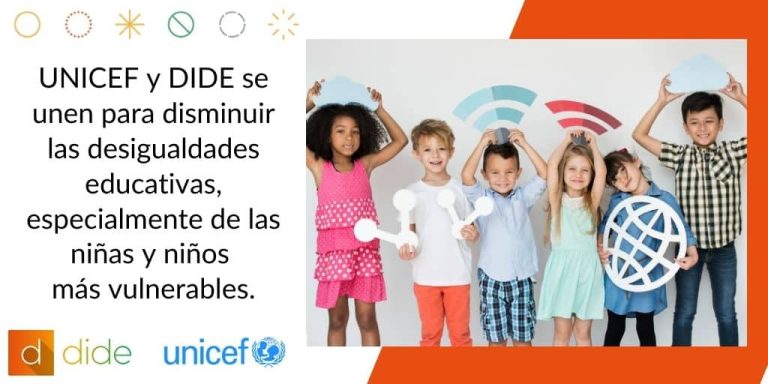
UNICEF and Grupo VS (dide) join forces to reduce inequalities, especially for the most vulnerable children. The entities have signed an agreement to make available
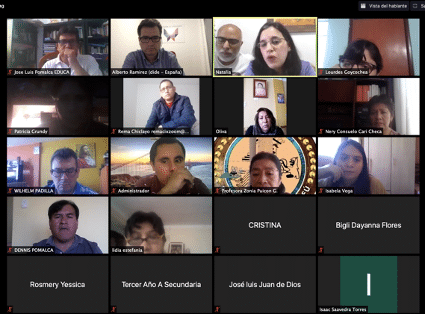
In 2020, in the midst of this lethal COVID-19 pandemic that has paralyzed the world, two friendly institutions will shorten geographical distances to join efforts
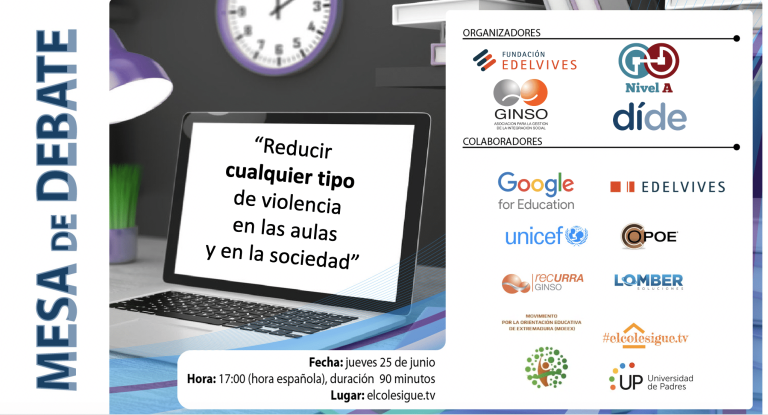
The importance of early childhood without violence Ending violence in the lives of children and investing in early childhood are, above all, issues linked to
What do parents want for their children? With little margin for error, surely the majority answer will be “that they are happy, that they
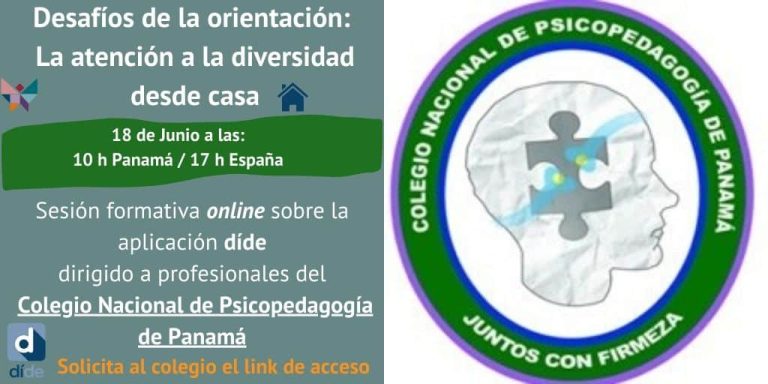
Addressing diversity and the role of remote educational guidance The díde team, together with its distributor EDELVIVES, wants to help make confinement due to the
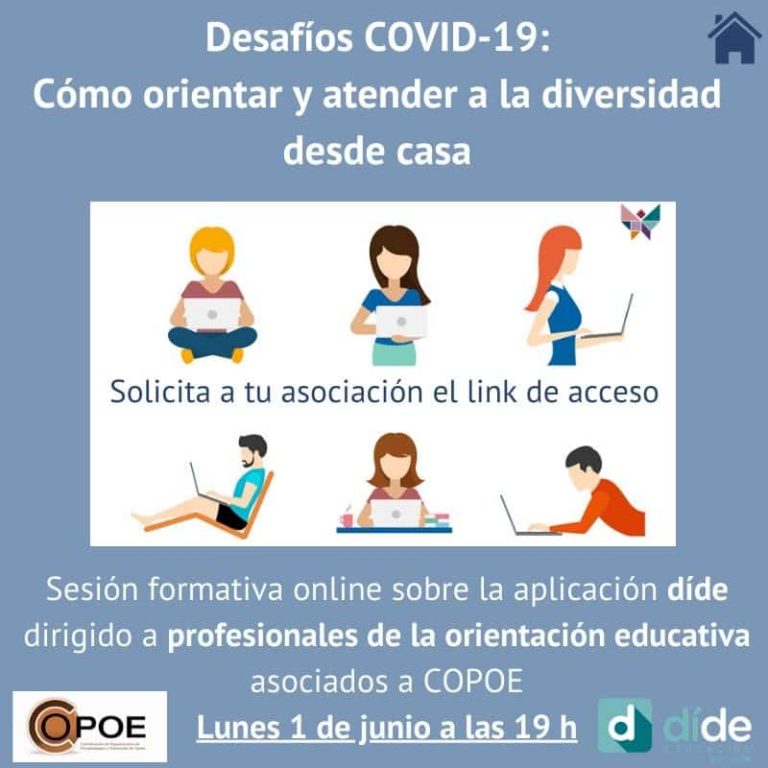
Addressing diversity and the role of remote educational guidance As many of you know, díde is an online platform for educational needs information that helps
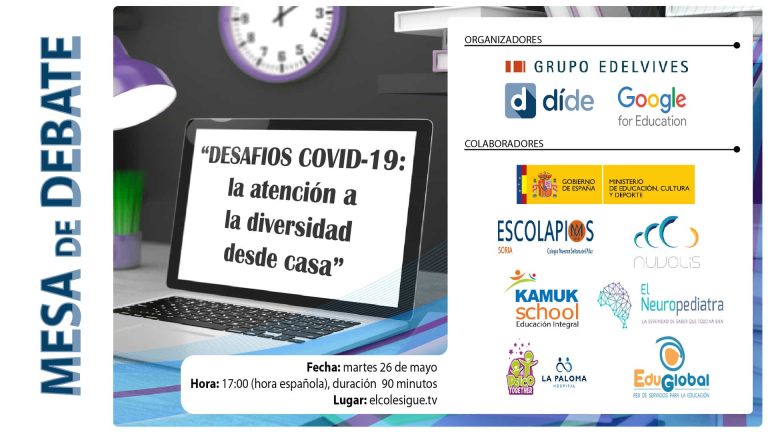
Last Tuesday, May 26, we had an appointment with attention to diversity on the EL COLE SIGUE.TV channel. We learned the opinion of the different profiles and from different countries to highlight remote guidance in the face of COVID-19.
We talked about:
What has been the work of counselors and educational psychologists during confinement?
How have new technologies helped in this situation remotely?
The special vulnerability of students with special educational needs at this time
Can technology contribute positively both to understanding diversity in the classroom and to addressing it?
Professional-level experience in caring for patients in centers during the period of confinement
How have families and the children themselves experienced this abrupt, unexpected, and prolonged situation?
How have counselors adapted to this new situation to maintain attention to students and their families?
Is the situation normalizing with this start of de-escalation or is it still too early?
What are the short, medium, and long-term expectations regarding the impact on the activity of detection and evolution of children?
Would it be correct to say that families and teachers are more aware of the specific needs of their children/students after confinement?
Has confinement left children with visual and auditory problems relegated to the background by depending on video conferences?
Given the educational situation that we had to continue living, does it make more sense to reinforce ourselves in educational platforms and full digitization?
How to adapt the forms of a pre-diagnostic report without the possibility of face-to-face?
Training of school counselors to adapt to the new situation.
The advantages of technology with students with diversity such as autistics or students with ADHD.
